
Meta Description:
Keep your pet looking and feeling their best with our ultimate at-home grooming guide—expert tips, must-have tools, and easy techniques for dogs and cats.
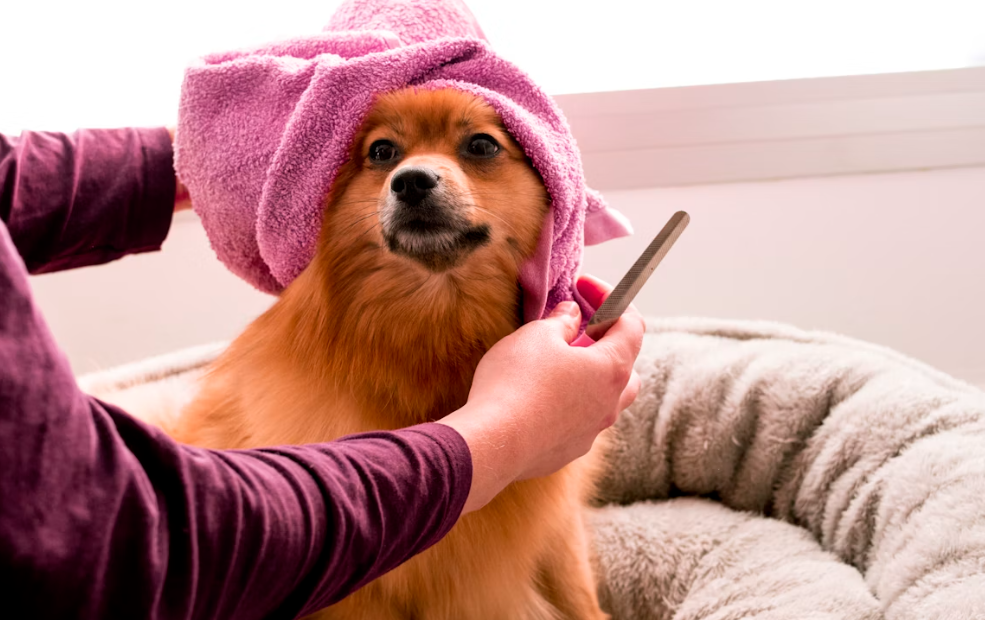
Introduction: Why Grooming at Home Matters
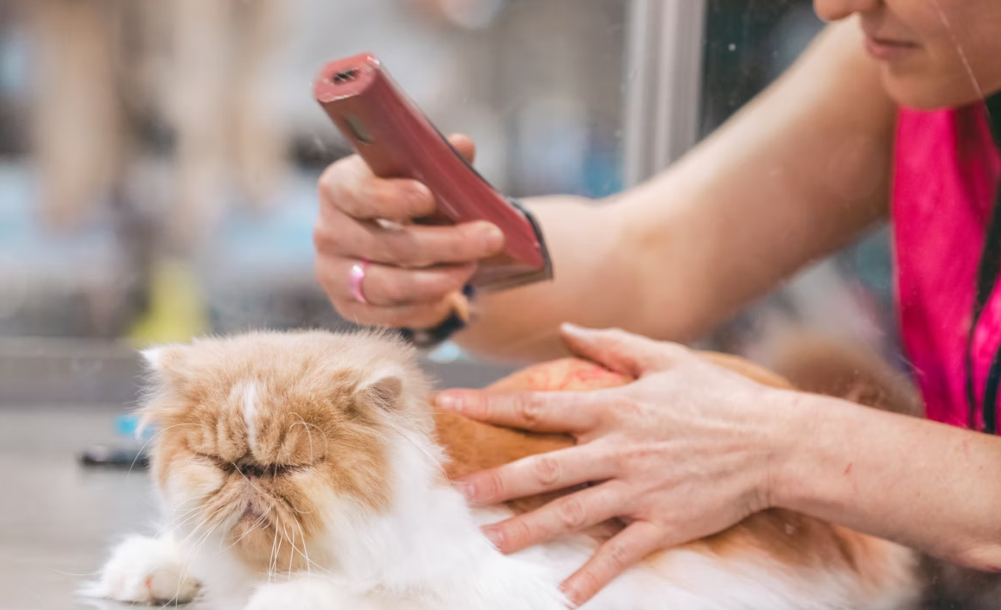
Have you ever noticed how your pet seems to glow after a grooming session? Grooming isn’t just about looks—it’s essential for your pet’s comfort, health, and happiness. Regular brushing, bathing, nail trimming, and ear cleaning keep their coat shiny, prevent infections, and strengthen your bond.
But frequent visits to the groomer can get pricey, and many pets feel anxious outside their home environment. That’s why learning how to groom your pet at home can be a game-changer. With the right tools, setup, and know-how, you can turn your living room into a stress-free pet spa—saving money while keeping your furry friend fresh and healthy.
Essential Grooming Tools You’ll Need
Before diving into the grooming routine, gather the right equipment. Having high-quality, pet-safe tools makes the process smoother and safer.
1. Brushes and Combs
Different pets need different brushes:
- Slicker Brush: Ideal for detangling and removing loose fur on dogs and cats with medium to long coats.
- Bristle Brush: Great for short-haired pets to add shine and stimulate skin oils.
- Deshedding Tool: Perfect for heavy shedders like Huskies or Persians.
Affiliate Tip: We recommend the FURminator Deshedding Tool—a trusted favorite for reducing shedding by up to 90%. It’s durable, ergonomic, and worth the investment for cleaner furniture and happier pets.
2. Nail Clippers or Grinders
Untrimmed nails can cause discomfort or injury. Use:
- Guillotine Clippers for small pets.
- Scissor-Style Clippers for large breeds.
- Nail Grinders for smooth, safe finishes (great for pets afraid of clipping).
3. Pet Shampoo and Conditioner
Always choose a pH-balanced shampoo designed specifically for pets. Avoid human shampoos—they can irritate their skin. For sensitive pets, opt for oatmeal or hypoallergenic formulas.
🛁 Affiliate Suggestion: Try Burt’s Bees Natural Pet Shampoo—gentle, eco-friendly, and effective for both dogs and cats.
4. Ear and Eye Cleaning Supplies
Regular ear cleaning helps prevent infections, especially in floppy-eared breeds. Use vet-approved ear drops and cotton pads (never cotton swabs). For tear stains, a mild tear-stain remover works wonders.
Step-by-Step Guide to Grooming Your Pet
Step 1: Set the Scene
Pick a quiet, well-lit area. Lay down a towel or non-slip mat to keep your pet comfortable. Keep treats nearby—positive reinforcement makes a huge difference.
Step 2: Brush Before Bathing
Brushing removes tangles and loose fur, making bathing easier and preventing mats from tightening when wet. Always brush in the direction of hair growth and reward your pet frequently.
Step 3: Bath Time Basics
Use lukewarm water and a gentle spray or cup. Lather with pet shampoo and rinse thoroughly—residue can cause itching. Apply conditioner if needed and dry with a towel or pet-safe dryer on low heat.
Pro Tip: Bathing too often can strip natural oils. Once every 4–6 weeks is usually ideal unless your pet gets dirty often.
Step 4: Nail Trimming
Hold your pet’s paw firmly and clip small sections at a time to avoid cutting into the quick (the sensitive pink area). If you’re nervous, a nail grinder offers more control and less stress.
Step 5: Ear & Eye Care
- Ears: Apply ear cleaner, massage gently, and wipe away debris.
- Eyes: Use a damp cloth or tear-stain remover for gentle cleaning.
Step 6: Finishing Touches
Finish with a spritz of pet-safe deodorizing spray or leave-in conditioner. Give your pet a final brush for a silky coat—and don’t forget a treat for good behavior!
Grooming Tips for Different Pet Types
Dogs
- Short-haired breeds (Beagles, Boxers): Brush weekly and bathe every 6–8 weeks.
- Long-haired breeds (Shih Tzus, Golden Retrievers): Brush daily to prevent mats.
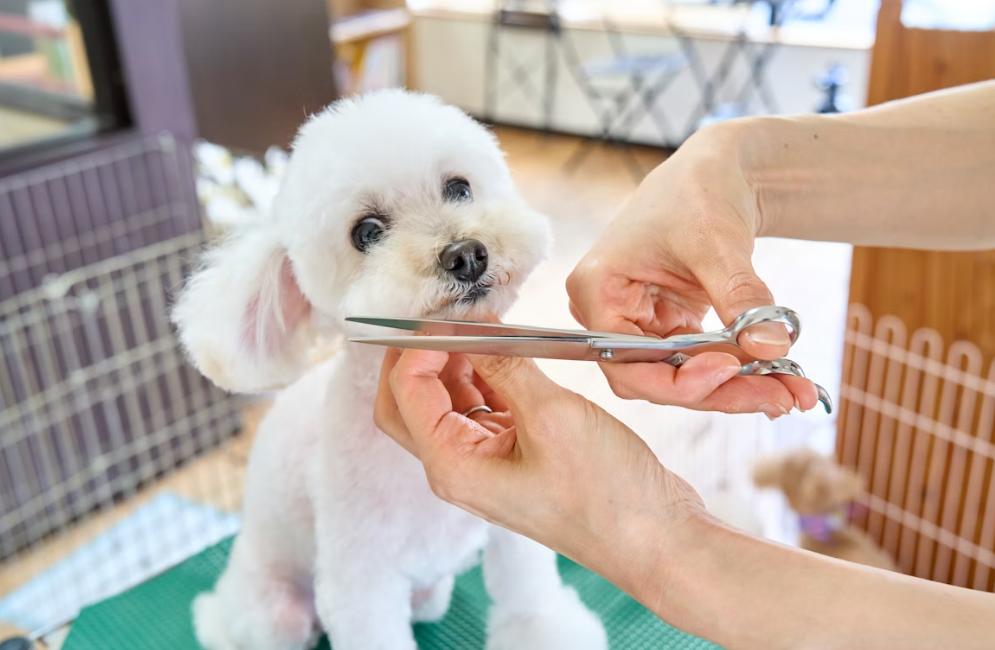
- Curly-coated breeds (Poodles, Bichons): Regular trims every 4–6 weeks keep coats neat.
Cats
- Short-haired cats: Brush once or twice a week.
- Long-haired cats: Daily brushing reduces hairballs.
- Use a quiet grooming tool—cats are more sensitive to noise than dogs.
Recommended Tool: The Hertzko Self-Cleaning Slicker Brush—gently detangles without pulling, and with one click, the bristles retract for easy cleanup.
Common Mistakes to Avoid
- Using human shampoo – can dry out and irritate your pet’s skin.
- Skipping brushing before bathing – mats get worse when wet.
- Cutting nails too short – always trim little by little.
- Ignoring ears and teeth – both are vital to overall hygiene.
- Rushing the process – stay calm and patient; pets can sense your energy.
Building a Routine That Works
Consistency is key. Create a monthly grooming schedule that includes brushing, bathing, nail trimming, and ear cleaning. Keeping track helps you spot health issues early—like lumps, fleas, or dry patches.
| Grooming Task | Frequency | Tools Needed |
|---|---|---|
| Brushing | 2–3 times a week | Brush or comb |
| Bathing | Every 4–6 weeks | Pet shampoo & towel |
| Nail trimming | Every 3–4 weeks | Clippers or grinder |
| Ear cleaning | Monthly | Ear drops & cotton pad |
| Eye cleaning | As needed | Soft cloth or wipes |
Conclusion: Your Home Grooming Journey
Grooming your pet at home isn’t just a cost-saving measure—it’s a loving ritual that strengthens your bond. With the right tools, patience, and gentle care, your pet will stay healthy, clean, and confident all year long.
If you’re ready to get started, invest in reliable grooming essentials like the FURminator Deshedding Tool and Burt’s Bees Natural Pet Shampoo—they make the process easier and more enjoyable for both of you.
Because when your pet looks good, feels good, and trusts you—that’s real value.